
Advanced wet mechanical recycling
Recovering Critical Raw Materials from Lithium-Ion Batteries
Ecco Battery and Metal Recycling processes end-of-life lithium-ion batteries using a safe, advanced wet mechanical recycling process.
- Lower fire risk
- Very low dust
- High material recovery
Built for safer recovery
A cleaner route back to critical materials.
We process end-of-life lithium-ion batteries with water at the heart of the shredding and separation process.
This controlled approach reduces dust, fire risk, and thermal runaway while recovering more of the materials needed for future batteries.
Why wet processing
Engineered around safety, recovery, and resource efficiency.
Very Low Dust Emissions
Wet processing keeps dust formation to a minimum throughout shredding and separation.
No Combustion Emissions
Our process is not based on thermal incineration, so it produces no direct combustion emissions.
Reduced Fire & Explosion Risk
Wet processing significantly reduces fire and explosion risk by minimizing dust formation and thermal runaway during shredding.
High Recovery Rates
Advanced separation technology delivers high recovery rates of lithium, nickel, cobalt, manganese, and graphite.
Water Reuse
Process water is treated and reused wherever possible, reducing waste and environmental impact.
Lower Carbon Footprint
Reduced waste generation and a lower carbon footprint compared to primary raw material extraction.
Five controlled stages
From battery feedstock to recovered resources.
Every stage is designed to keep material contained, separate valuable fractions efficiently, and return process water to the system.
Wet Shredding
Process: Battery cells or modules enter an industrial shredder under continuous spraying of washing liquid.
Purpose: To prevent sparks, short circuits, and thermal runaway while simultaneously dissolving electrolytes.
Washing
Process: The shredded battery fractions undergo intensive washing within the liquid circuit.
Purpose: To completely wash and separate soluble lithium salts and organic solvents from the solid materials.
Coarse Material Separation
Process: The total slurry is routed through a specialized separation unit.
Purpose: Coarse fractions such as copper foil, aluminium foil, and plastics are efficiently separated, leaving a liquid stream containing only fine black mass particles.
Decanter Centrifuge (Mechanical Dewatering)
Process: The fine slurry from the separation unit is pumped directly into a continuously operating decanter centrifuge.
Purpose: Extreme G-forces separate the valuable black mass from the liquid as a compact cake, while the liquid is recycled back to the shredding and washing steps.
Drying
Process: The dewatered black mass cake is fed directly into an industrial dryer via a screw conveyor.
Purpose: Remaining moisture evaporates completely, producing a dry, high-purity powder ready for further refining or downstream recovery.
Recovered Materials
From end-of-life batteries to high-purity resources.
Powering a cleaner, more sustainable future.
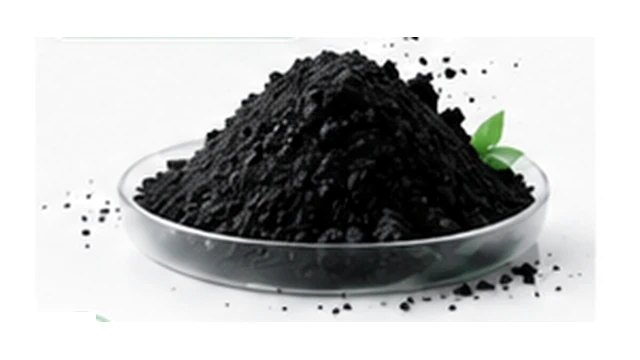
Black Mass
Lithium
Nickel
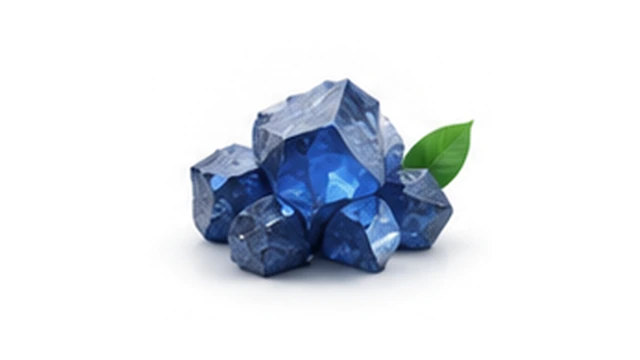
Cobalt
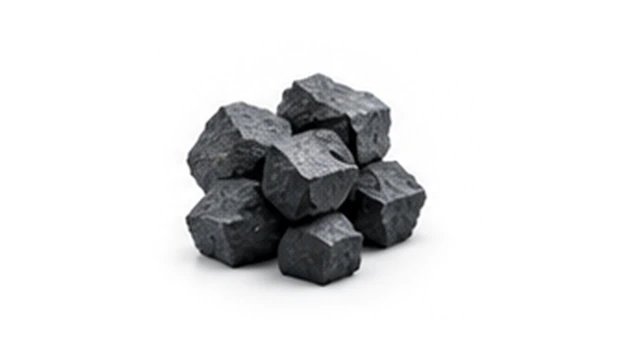
Manganese
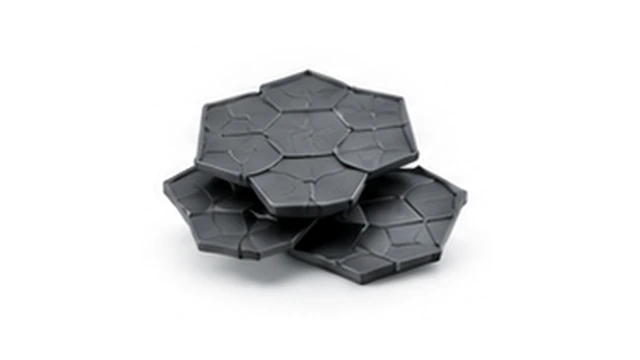
Graphite
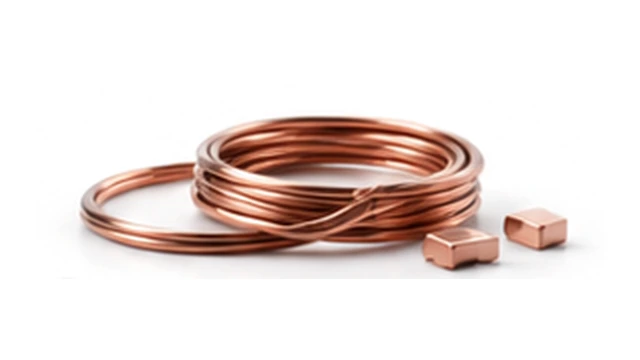
Copper
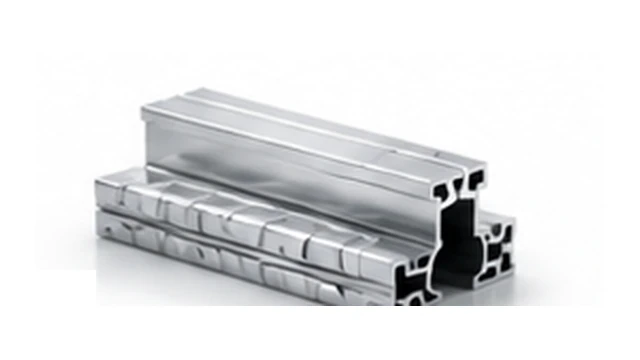
Aluminium
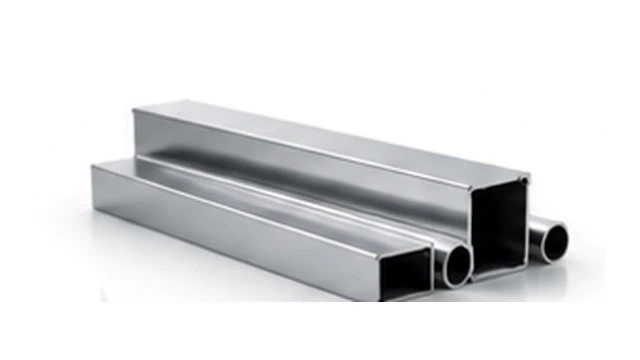
Steel
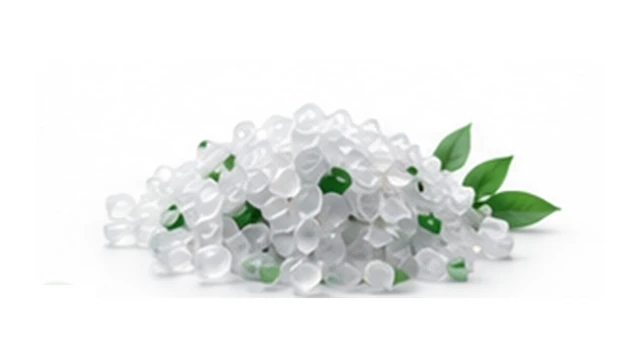
Plastics
Why recovery matters
Keep critical materials in circulation.
Recovered minerals can be refined and returned to battery production. That reduces pressure on virgin mining, conserves finite resources, and lowers the environmental impact of future battery supply chains.
Discuss a recycling partnershipBuild the circular battery economy
Turn end-of-life batteries into tomorrow’s resources.
Talk to our team about supply, partnerships, and responsible battery recycling.